
Weeds: Silent invaders taking over your gardens

It was my landscaper who first noticed the tree growing along our fence line in the neighbours property. He warned that it was a toxic species of weed called Green Cestrum. We didn’t think much of it to begin with. What’s the big deal about a weed anyway?
We watched it rapidly get bigger. Beginning as a large shrub then covering the entire length of our 9m fence. It’s roots lifting up the concrete path and branches tangled in our wooden fence posts.
Enough was enough.
I took to Google and searched ‘Green Cestrum’. The first result to appear was a link to NSW WeedWise and it provided some disturbing information:
“Poisonous to people, pets, livestock and native animals”
“Eating green cestrum causes liver poisoning and can be fatal.”
“Avoid touching the plant with bare skin.”
The more I read, the worse it got. I fumbled around on the City of Newcastle website looking for information on how to report a toxic weed when I found the ‘Noxious Weed Officers’. Without hesitation, I filled out a Customer Request Form, attached photos of the weed and then waited.
About two weeks later, I received a phone call from one of the officers, Zeke Hodson. He travelled to our house the same day to verify and assess the weed, then emailed me a Green Cestrum info pack. I came home from work a few weeks later to discover the weed had been completely removed.
A huge weight felt as though it lifted off my shoulders.
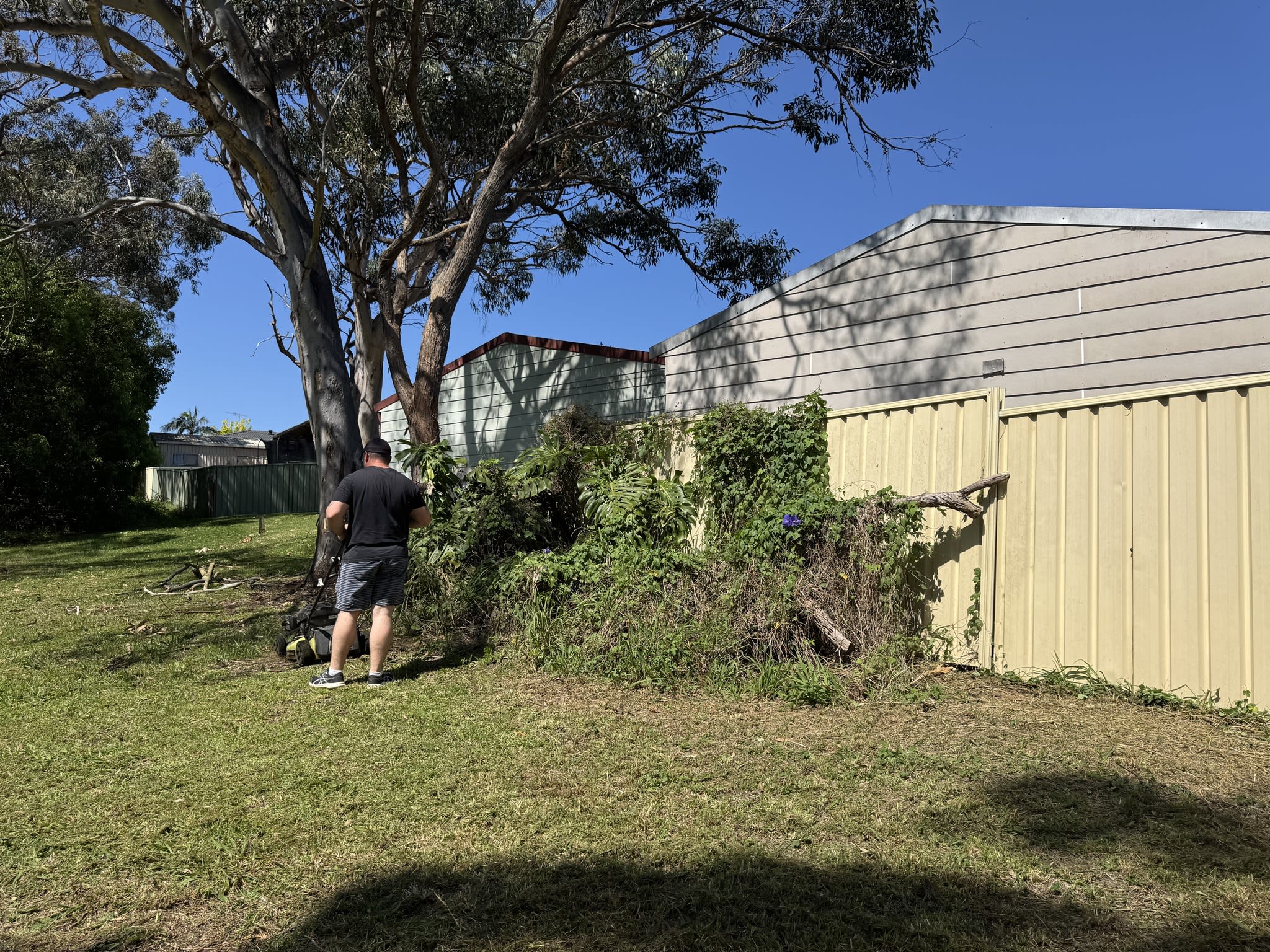
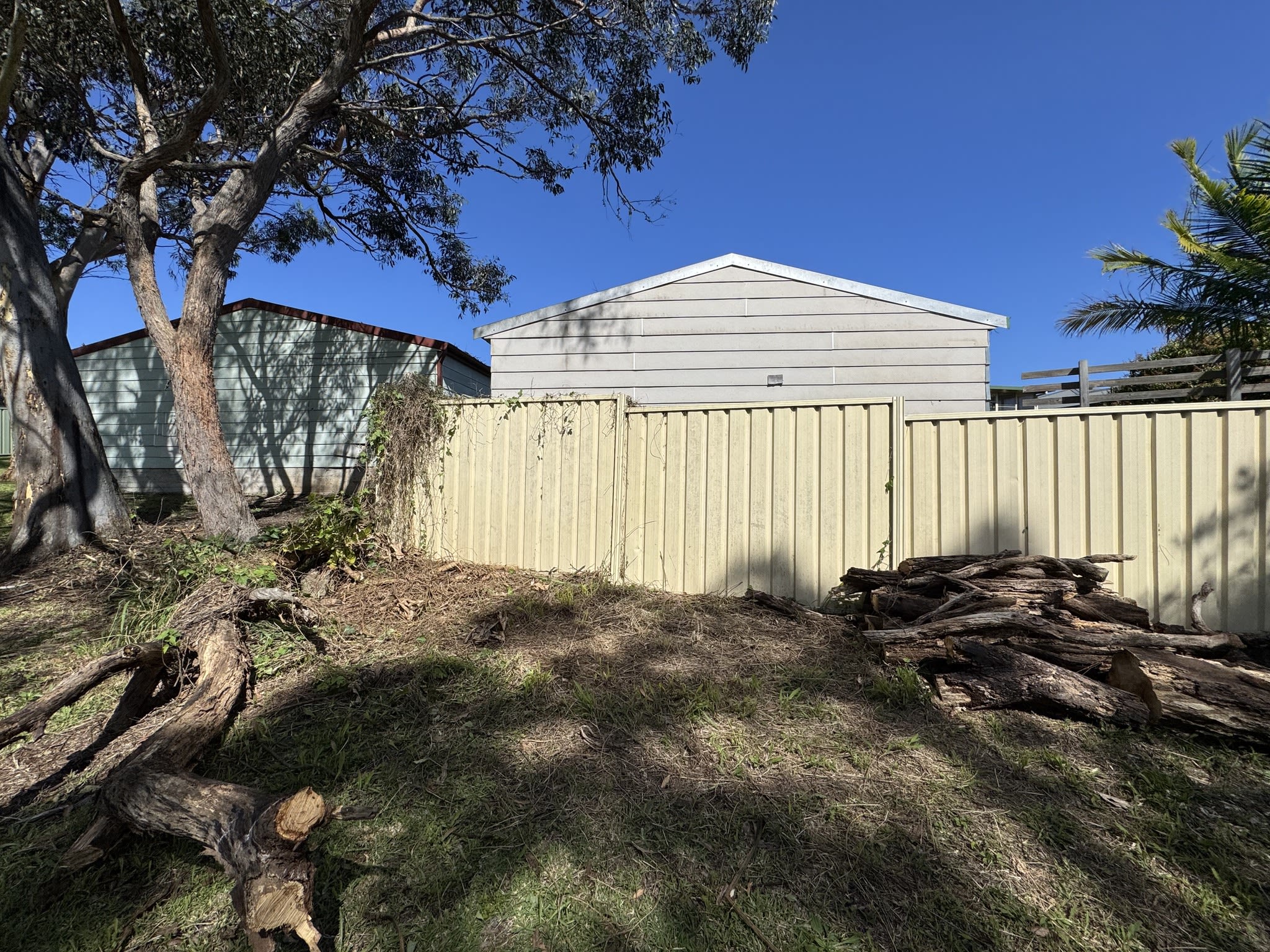
Green Cestrum timeline - Before, during & after.
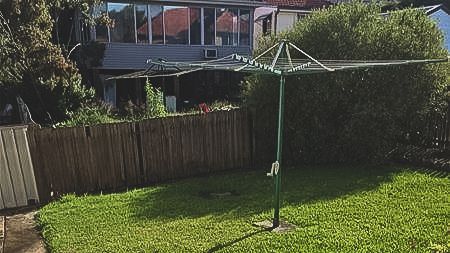
The Green Cestrum when we moved in to our house
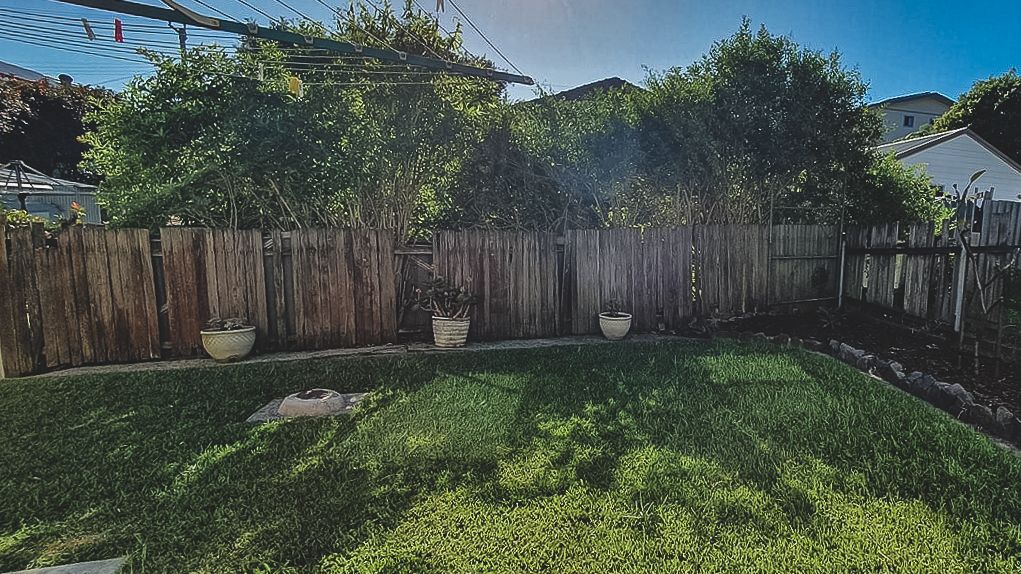
How quickly it covered the length of our back fence
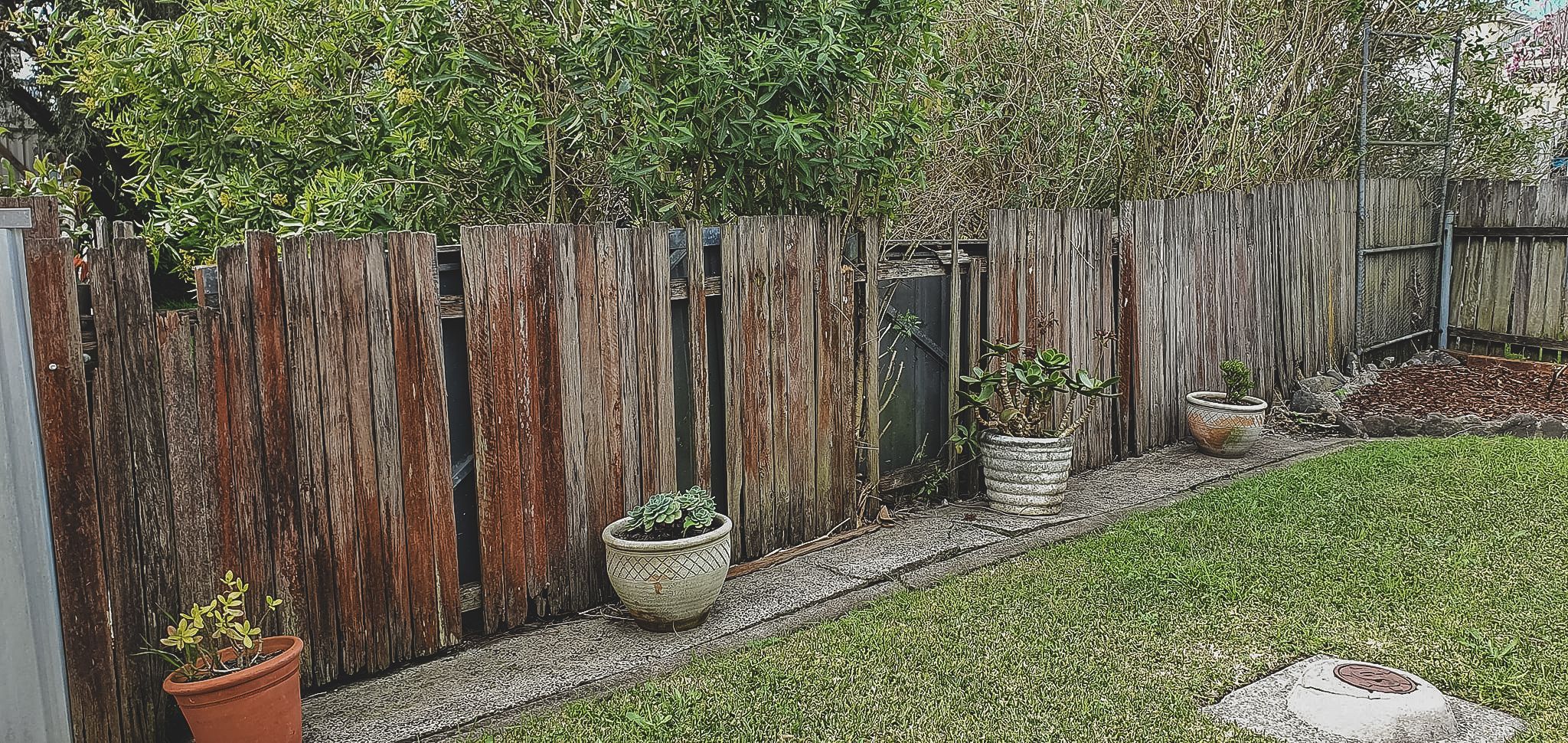
Breaking through our fence and lifting the concrete
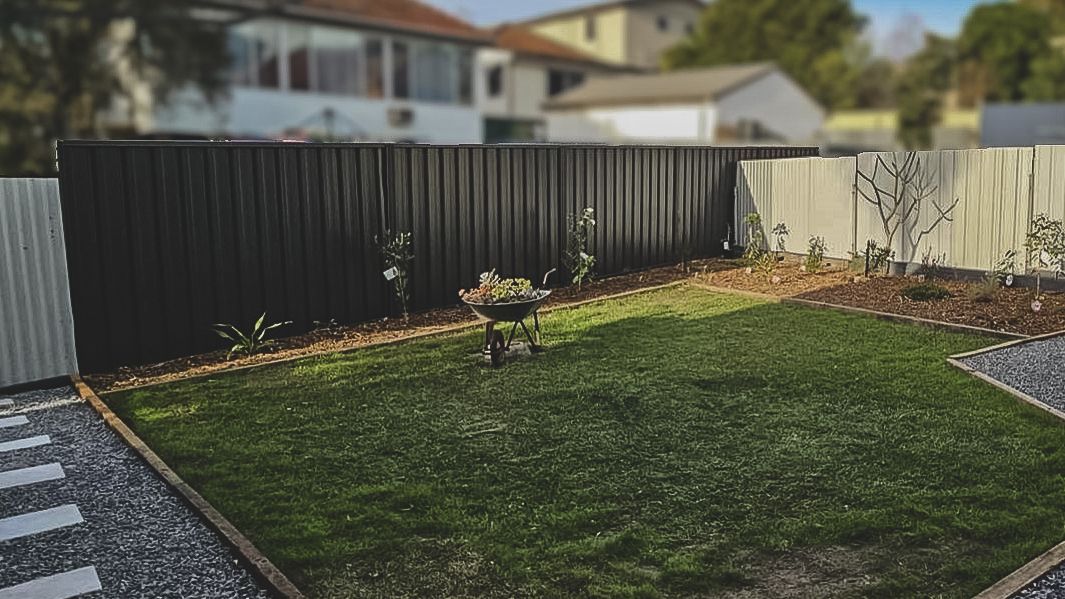
Our backyard now
Weeds such as Green Cestrum are not only harmful to livestock and humans, but they are a threat to our native ecosystems. Supressing the growth of other plants and competing for resources such as water and sun.


Michael McNaughton’s role in combatting priority weeds and protecting the environment
26-year-old Michael McNaughton is passionate about the natural world. Working in the Port Stephens Invasive Species team for the last 16 months, he now proudly wears the title of Invasive Species Team leader.
With an earlier background in Horticulture and Conservation Ecosystem Management, he was eager to tell me about his role and share some hard truths about the impact of weeds, particularly in our region.


Michael McNaughton
Michael McNaughton
He clarified that ‘noxious’ or ‘invasive’ weeds are now referred to as ‘priority weeds’. ‘Invasive weeds’ is still a term used to describe non-native plants that spread aggressively and cause environmental harm.
However, ‘priority weeds’ is a more specific term used for invasive weeds that are a high priority for management and control due to their impact on the environment. The priority of a weed can be found at the bottom of its description on the profiles page of the NSW WeedWise website.
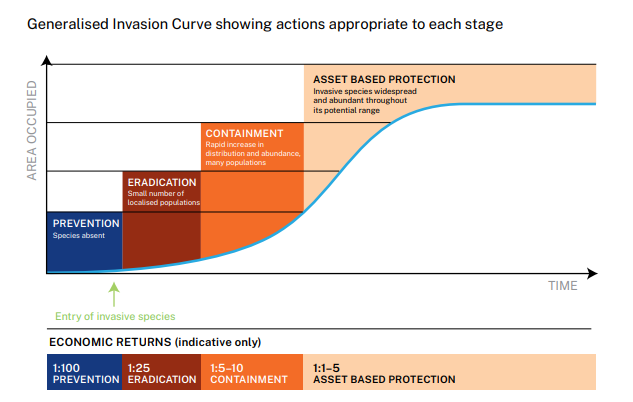
The generalised invasion curve, shown in the diagram, represents the typical pattern of spread of an invasive species across an area, illustrating how their impact and the resources needed to manage them change over time. It's a great representation of how early detection and rapid response can prevent invasive species from becoming widespread and more difficult to control.


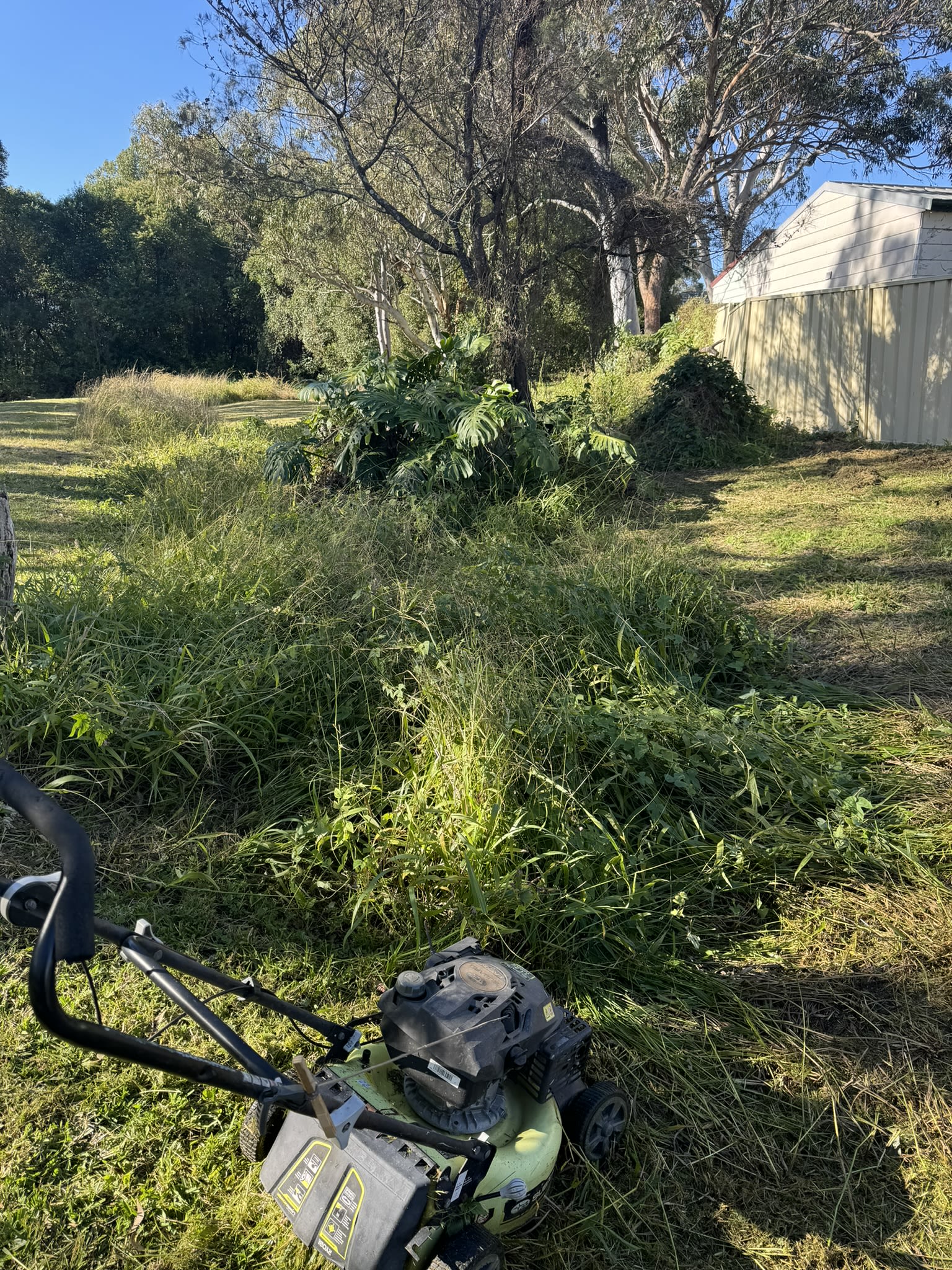
Weeds taking over a native reserve in cardiff, NSW.
Weeds taking over a native reserve in cardiff, NSW.
Each workday varies for Michael as it depends on the growth cycle of different plants. Spring and Summer are peak growing periods, especially for priority weeds which makes it the busiest time of year.
Duties include inspecting weeds, collecting data, logging infestation sites, assisting bush regeneration, managing pest animals, treating and controlling of weeds. Including jumping in a boat to treat aquatic weeds in damns, canals and river systems.
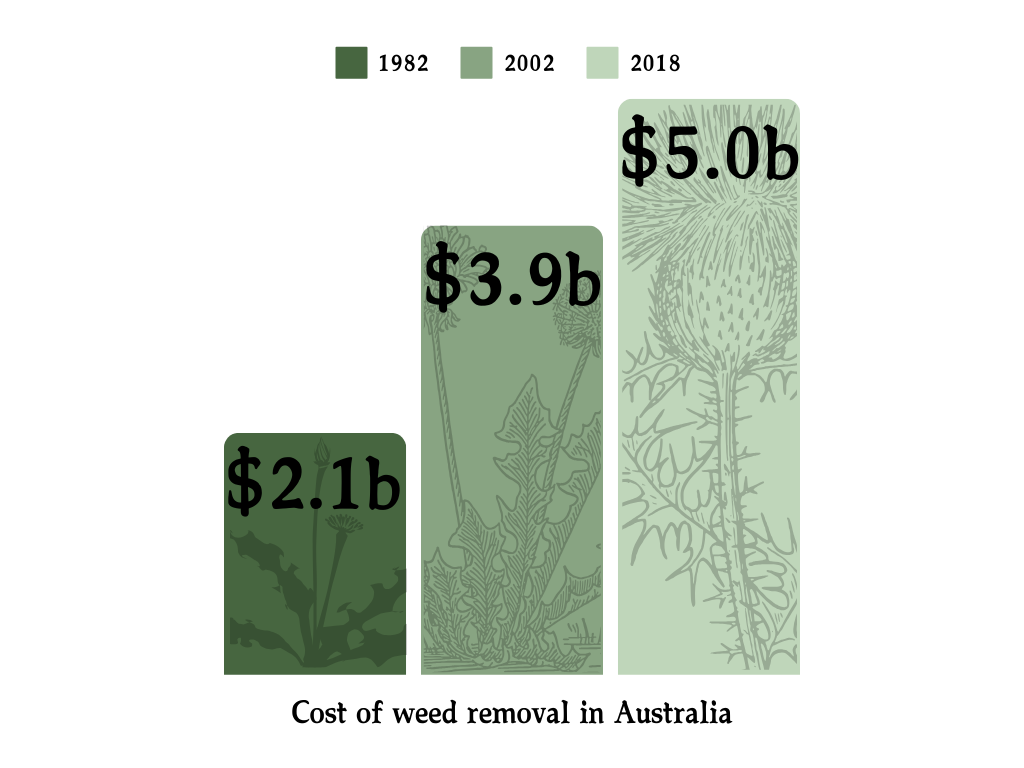
When I asked Michael why managing weeds is so important he said they cost Australia’s economy around $5 billion per year.

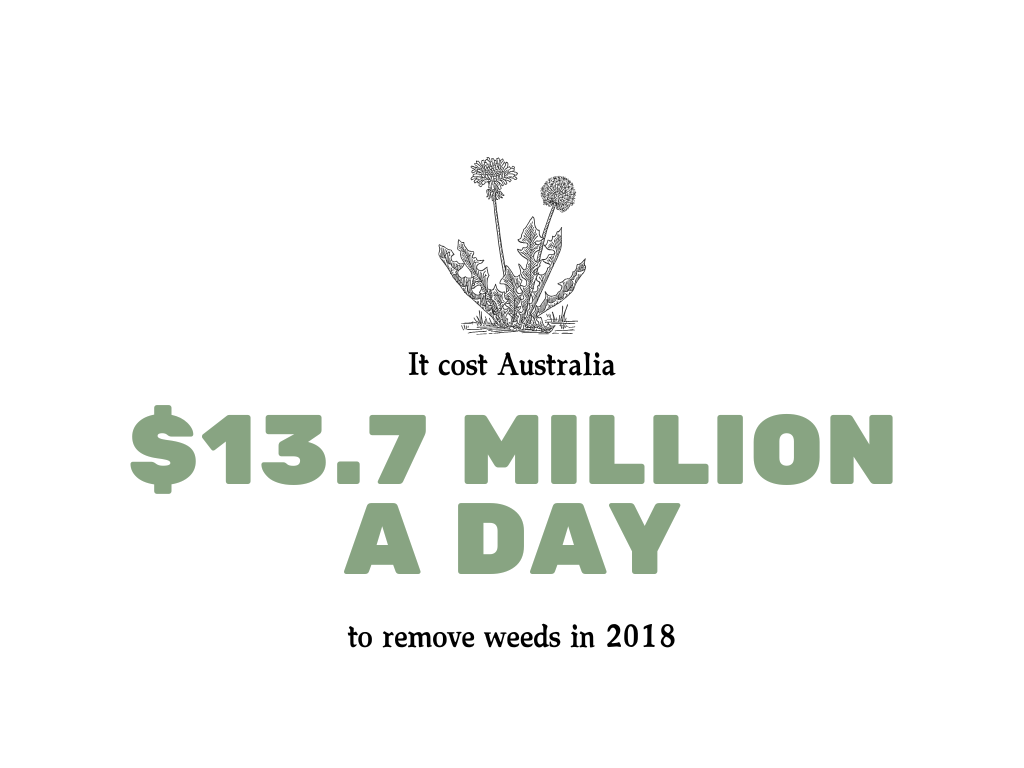
“Weeds outcompete farm crops, displace native vegetation, degrade bushland assets, and negatively affect livestock, native animals and humans."

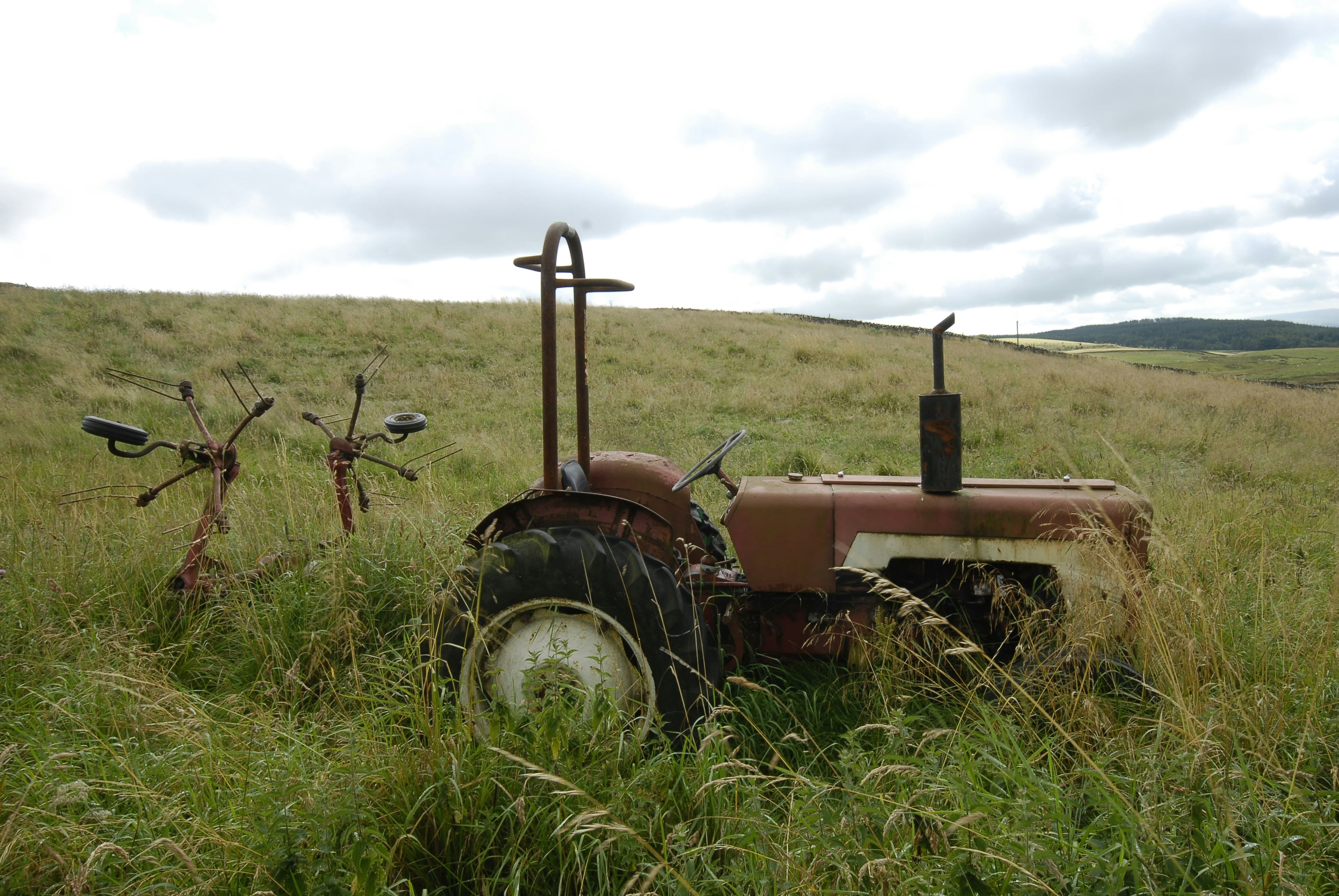
Blackberry, for example, is listed as a Weed of National Significance meaning it’s regarded as one of the worst in Australia.
This is due to its invasiveness and dense foliage that restricts access to resources and provides the perfect home for pest animals.
It also fuels bushfires and spreads over large areas of land very quickly.

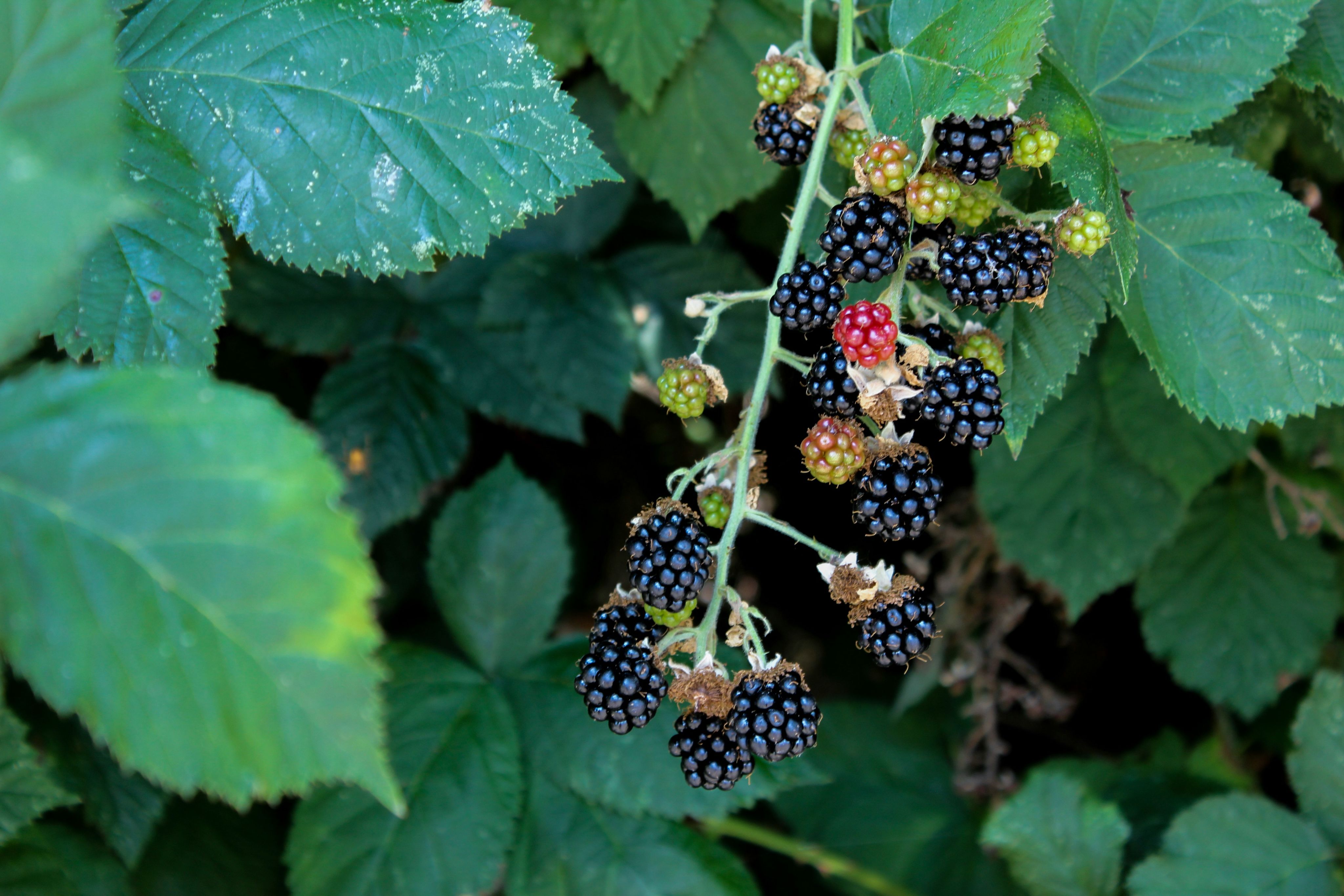
Photo by Elizabeth George on Unsplash
Photo by Elizabeth George on Unsplash
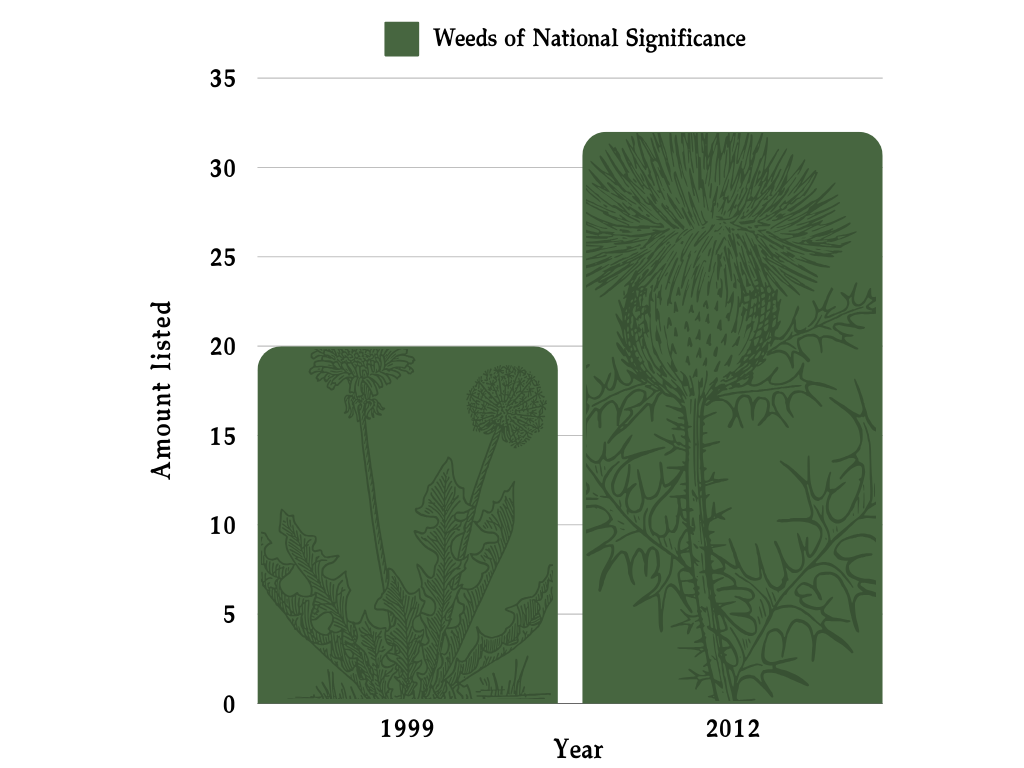
Data Source: Weeds Australia
Data Source: Weeds Australia
Another Weed of National Significance is Lantana which inhabits more than five million hectares of land on Australia’s east coast.
Like Green Cestrum, it is also toxic to humans and animals. It can cause vomiting, diarrhoea, muscle weakness, breathing difficulties and even death.
In 2022, the most commonly reported weeds causing problems by land managers were Blackberry (22.9%), African Boxthorn (13.5%), Lantana (12.7%), and Fireweed (11.4%). These species are among the 32 Weeds of National Significance (WoNS), highlighting their widespread impact on land management.

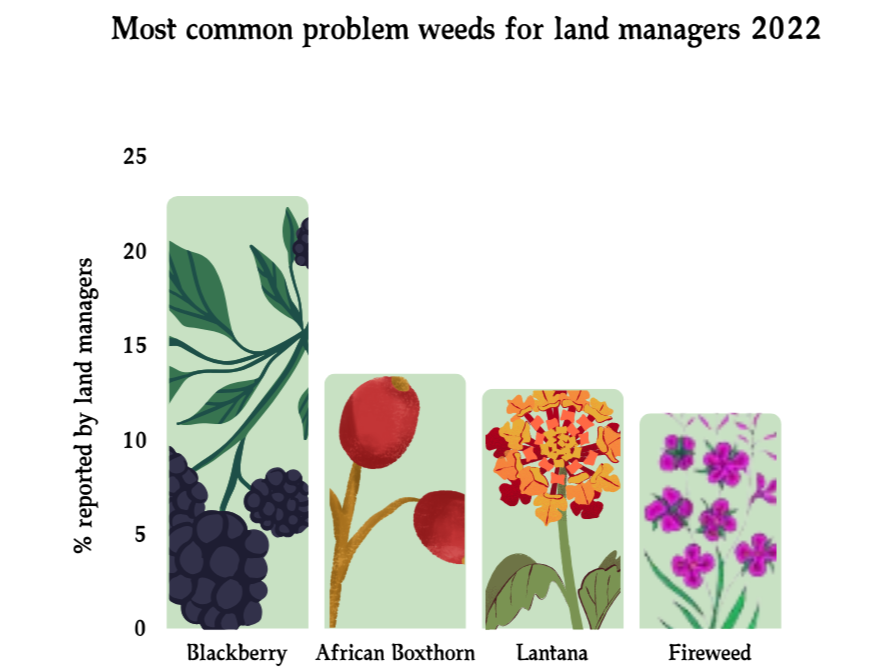
Data Source: Department of Agriculture, Fisheries and Forsetry
Data Source: Department of Agriculture, Fisheries and Forsetry
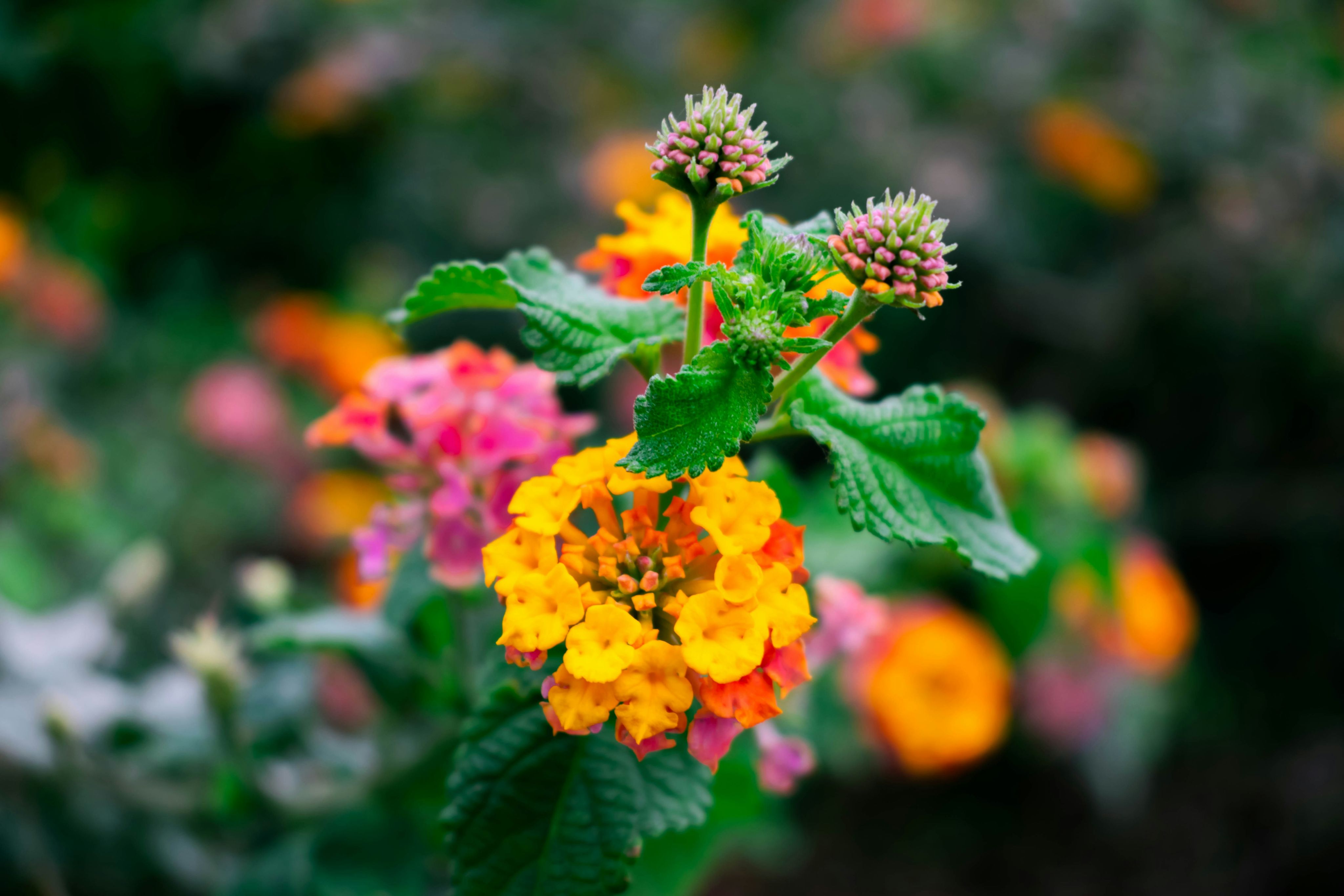
Photo by shahed mufleh on Unsplash
Photo by shahed mufleh on Unsplash
Michael shared a recent success story with me about a collaboration project that took place in the Port Stephens LGA.
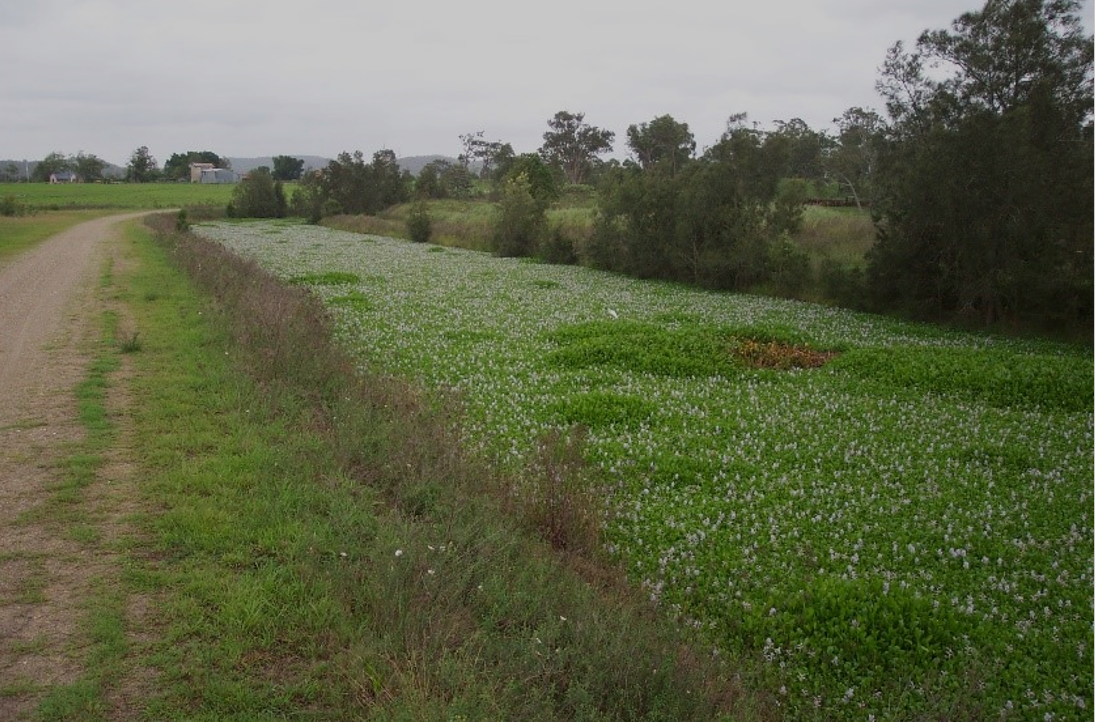
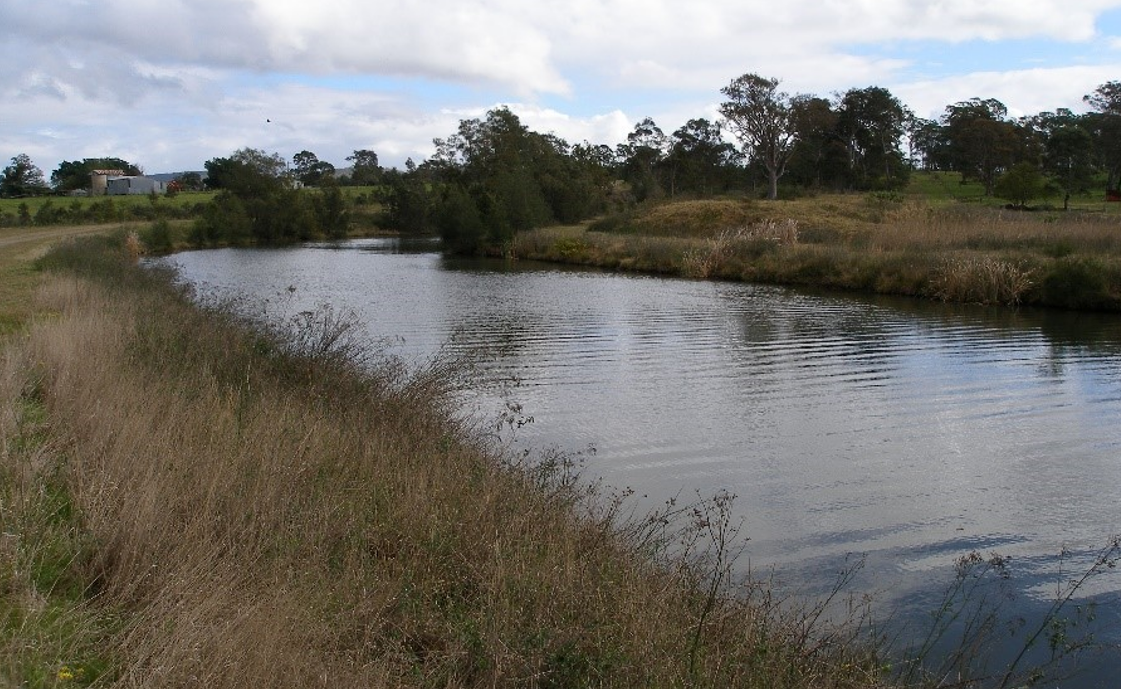
Cessnock Council, Hunter Water and Port Stephens Council combined efforts to control and overpopulated area of Water Hyacinth.
The first image shows the weed covering almost 100% of the canal, and the second photo is the same spot 3 years later after treatment.


Reducing the impact of weeds doesn’t just fall on the shoulders of people like Michael, it takes dedicated members of the community who want to protect their property and our delicate ecosystems.

Casey, a resident of the Cardiff South community was growing tired of the invasive ‘Morning Glory’ weed growing behind her property and over her fence.
She told Lake Macquarie Council and Hunter Water about the natural water causeway and strip of reserve behind her property becoming overrun with Morning Glory, but both maintained it wasn’t their responsibility.
Frustrated, she went out with a pair of secateurs and began hacking it away herself.
Casey created a public Facebook group and positioned herself as manager of 'The Cardiff South Reserve Revitalisation Project,' taking on the gruelling task of clearing the 500m long strip of land with help from some of her neighbours.
“We have made the decision to make our plan of attack completely non-toxic/chemically treated. By doing this it ensures our amphibians, reptile and bird life are less at risk of being poisoned.”
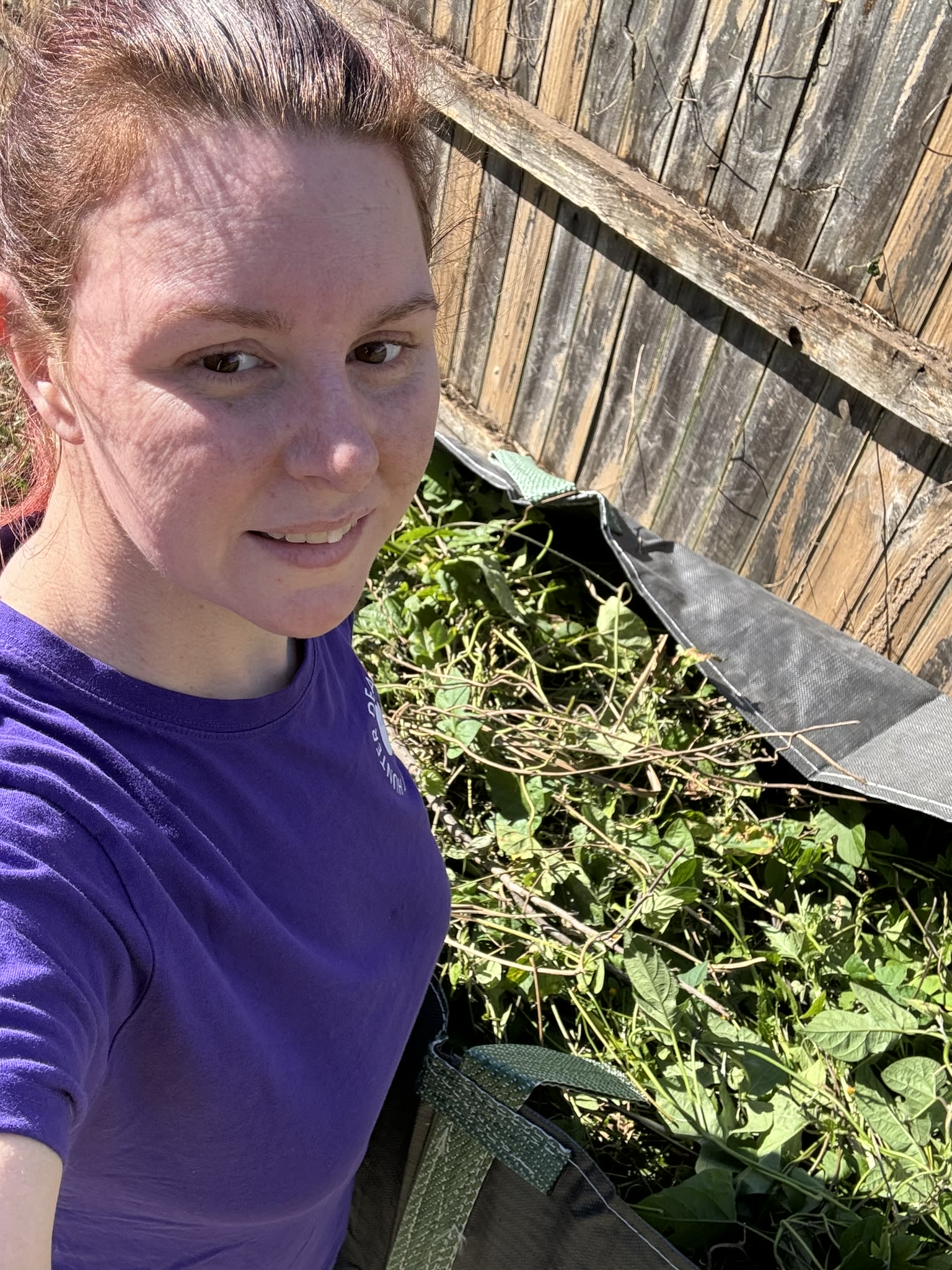
Casey working in the reserve
Casey working in the reserve

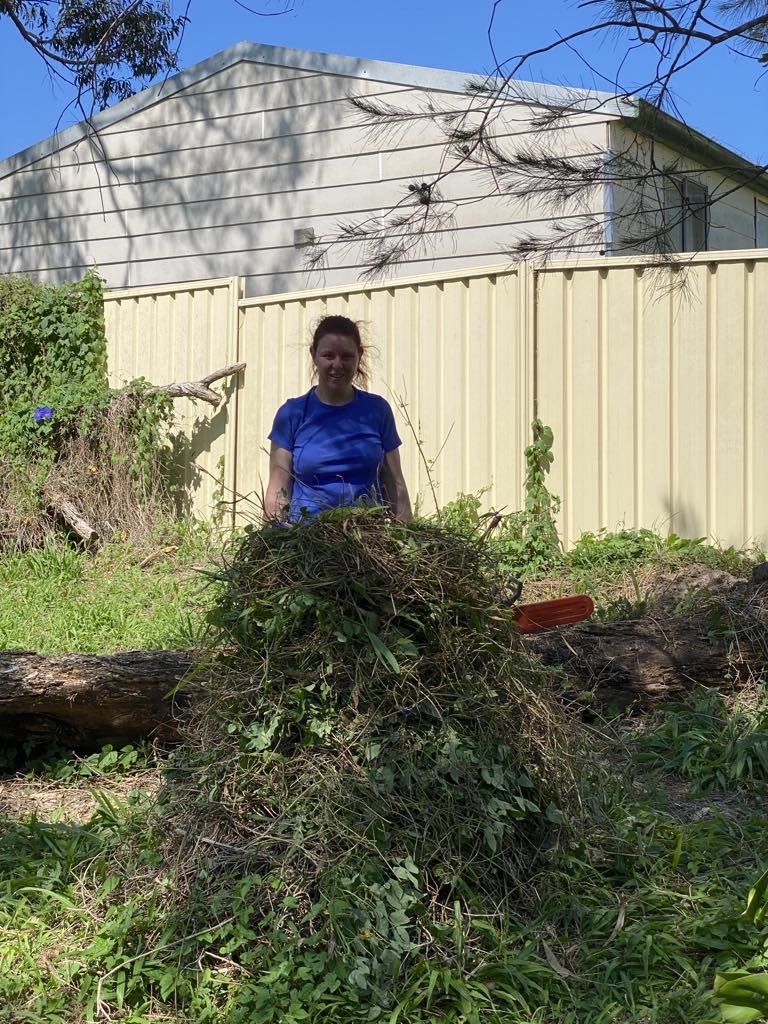
Casey with a pile of greenwaste
Casey with a pile of greenwaste
Since clearing started 4 months ago, they have used:
- Three tip vouchers
- One curb side collection (donated by a neighbour)
- Six green waste bins from neighbouring houses
Casey believes that if the council provided free bins specifically for noxious weeds at the tip, it would make a huge difference in clearing and maintenance efforts.
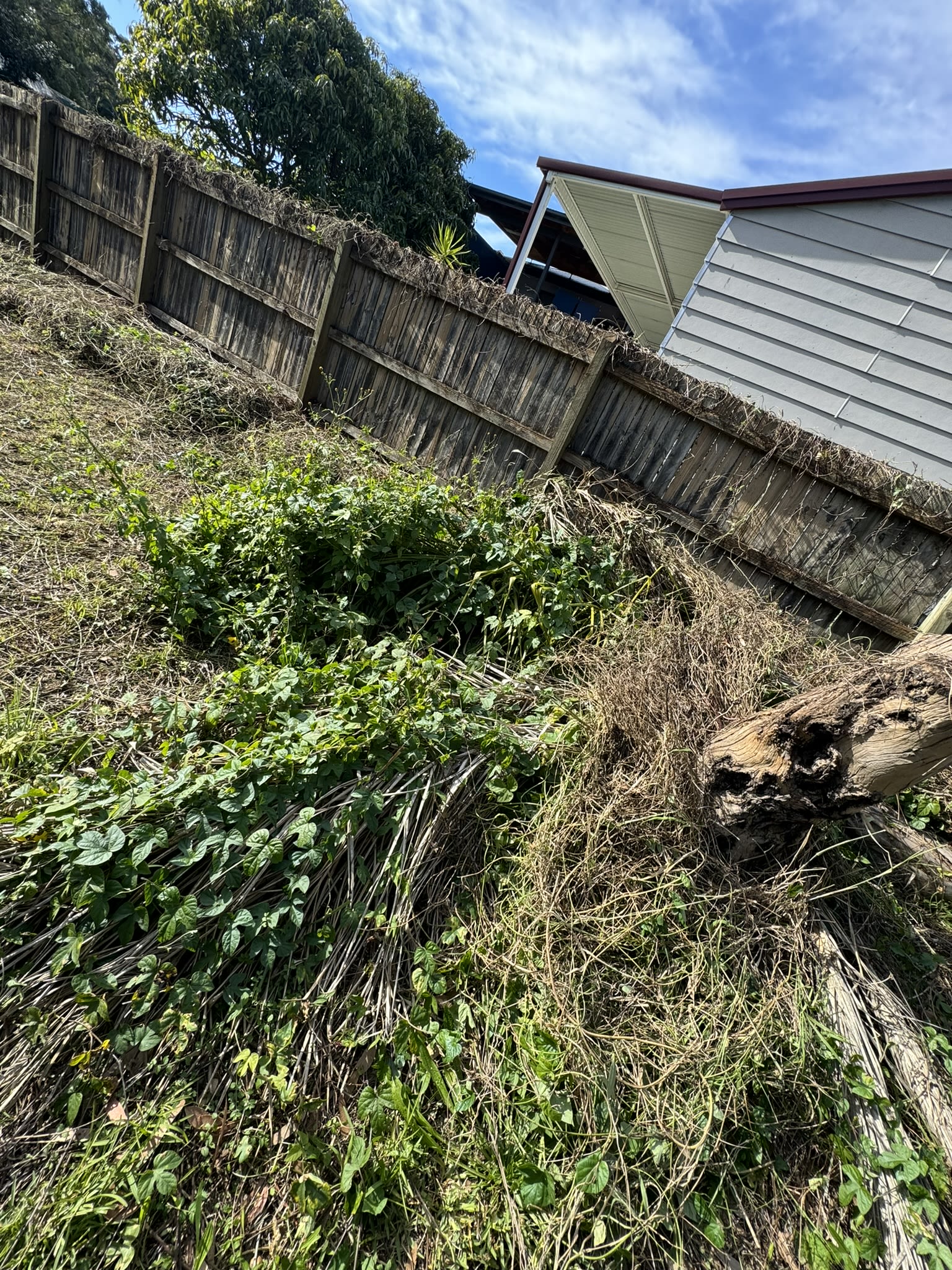
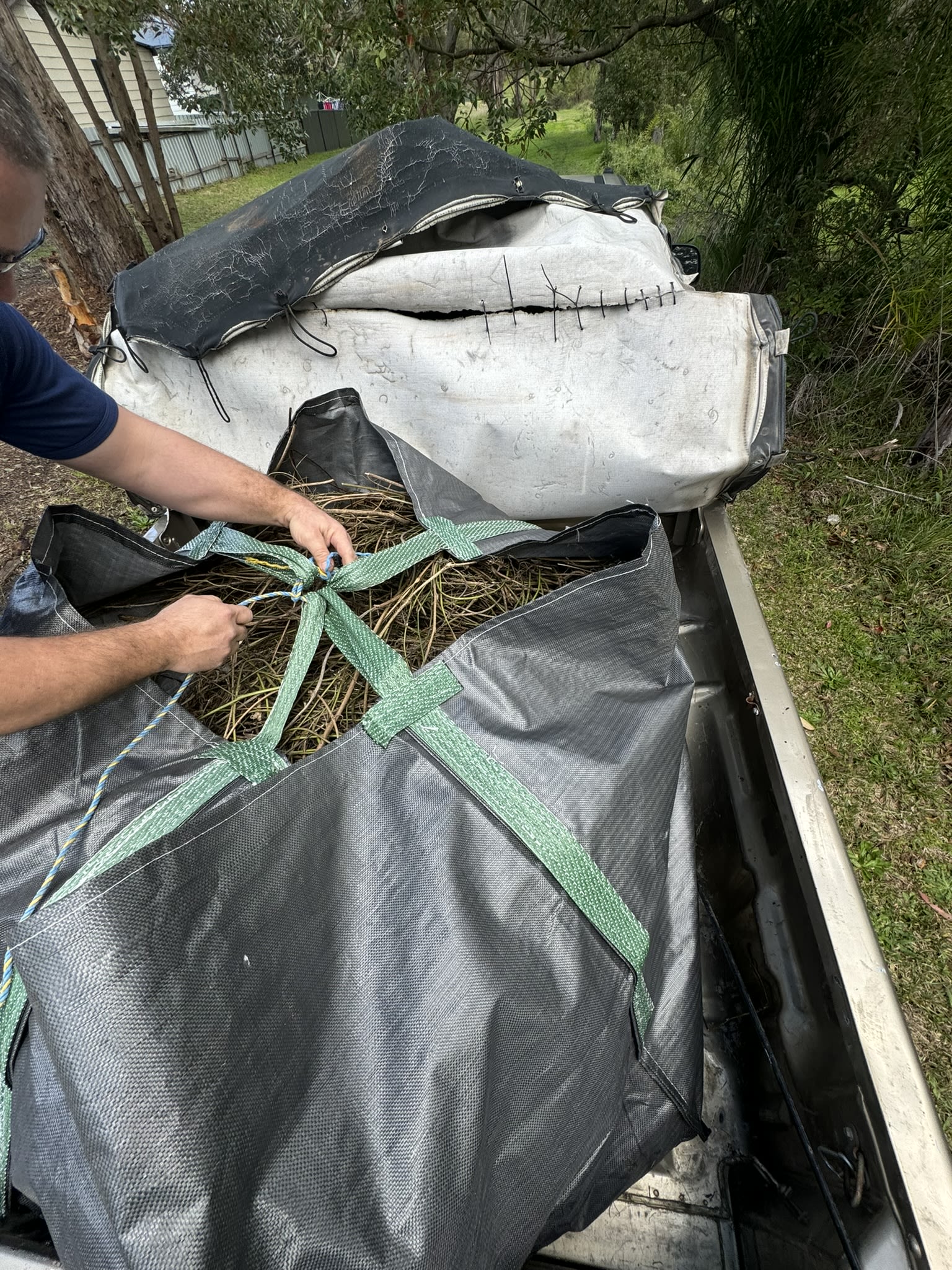
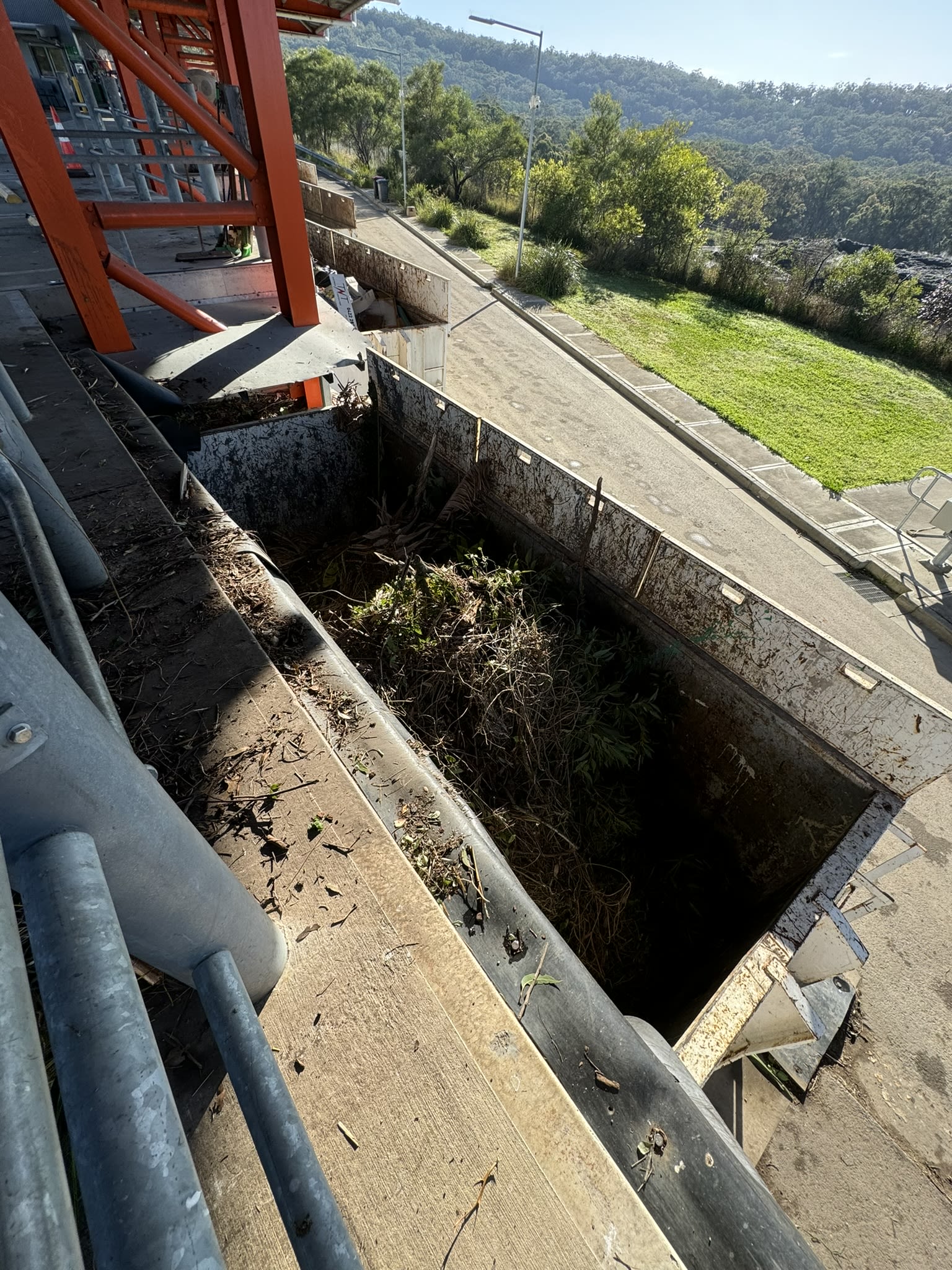

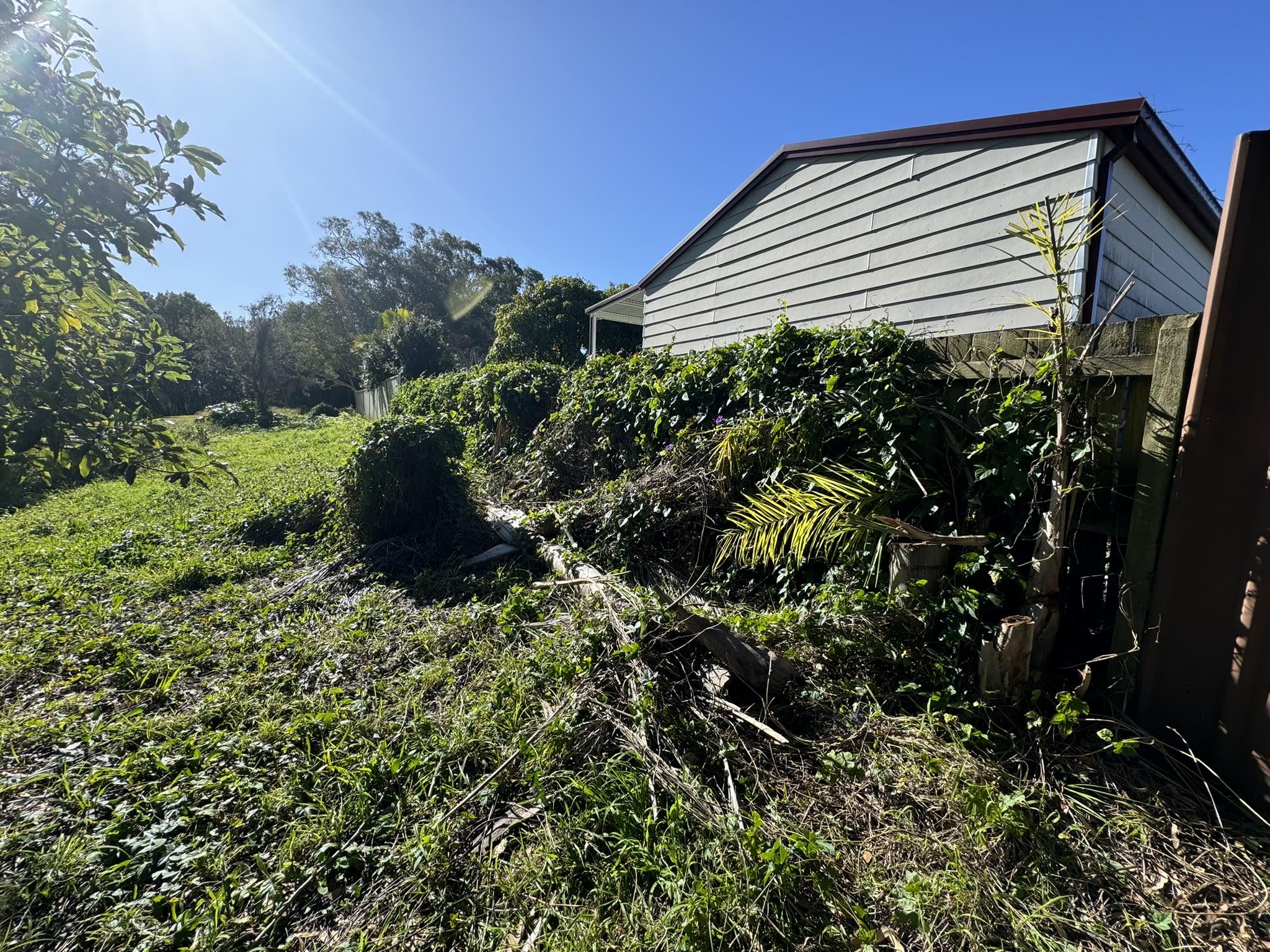

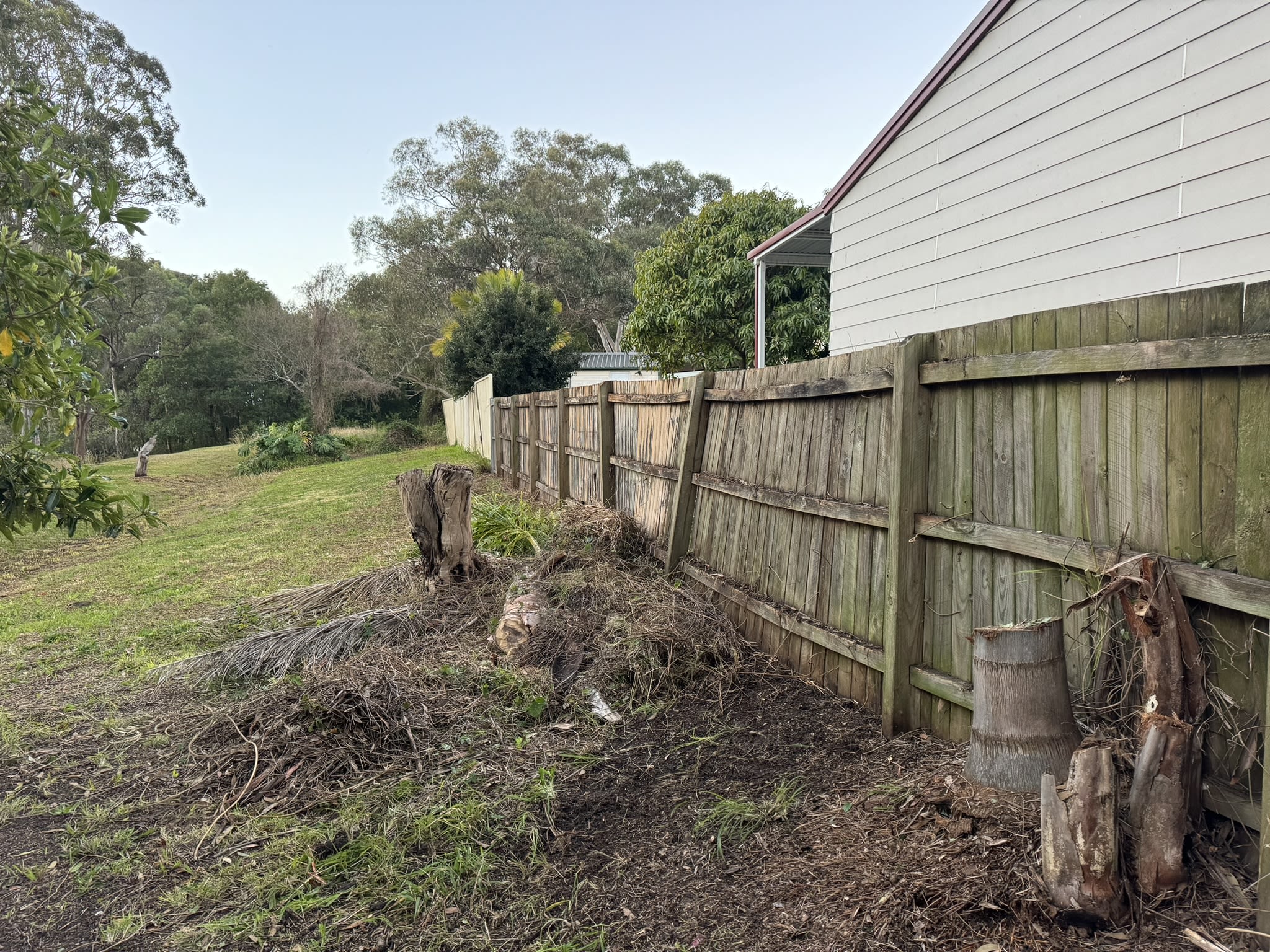


Reserve before & after photos
"Our community has been very encouraging and loving the updated photos of the progress. We have a very lovely community presence in Cardiff South"

While invasive weeds can be destructive, harmful, and cost billions each year to manage, they highlight the importance of our native plant species.
Australia is home to over 24,000 native plants, 80% of which aren’t found anywhere else on earth says The Nature Conservancy.
Our unique natives play an important role in maintaining healthy soil, cleaning our water and air, providing food, habitat and resources to us and our native wildlife.
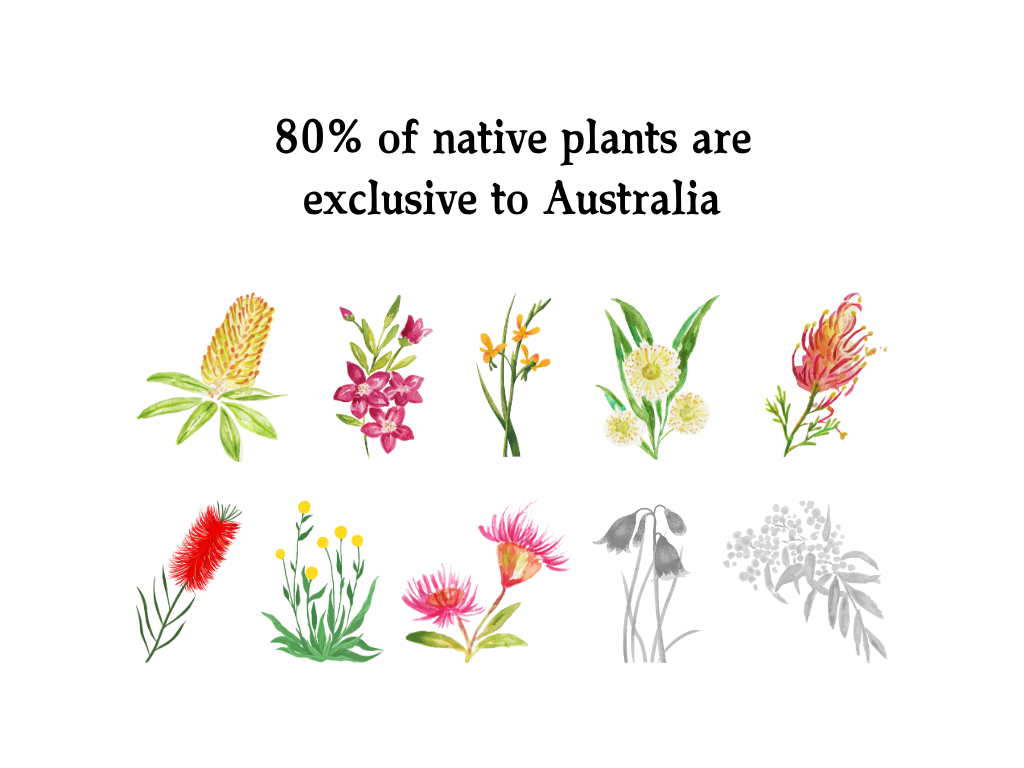
Data Source: The Nature Conservancy
Data Source: The Nature Conservancy
If you’re in the City of Newcastle council area, you can apply to install a Street Garden. The street garden initiative was created to combat urban heat, local wildlife, and make residents feel happier and healthier. If your submission is successful, you can use their guidelines and suggested species guide to build a planter box, grow food, or establish a native kerbside garden.
The Hunter Valley District Group has information on where to buy native plants, how to create your own bushland or habitat garden, and a list of native and indigenous plants that grow well in the Hunter valley.
Here are some extra resources worth checking out:
1. Grow Me Instead – Helps you identify weeds and recommends native alternatives to plant.
2. Pl@ntNet and PictureThis - Apps that allow you to snap a picture of any plant and identify it on the go.
3. Native plant databases such as: Australian Native Plants Society (Australia) and Australian Plants Society NSW.
5. The Weed Society of New South Wales Inc – A place to network with other people, share experiences and learn more about invasive weeds.
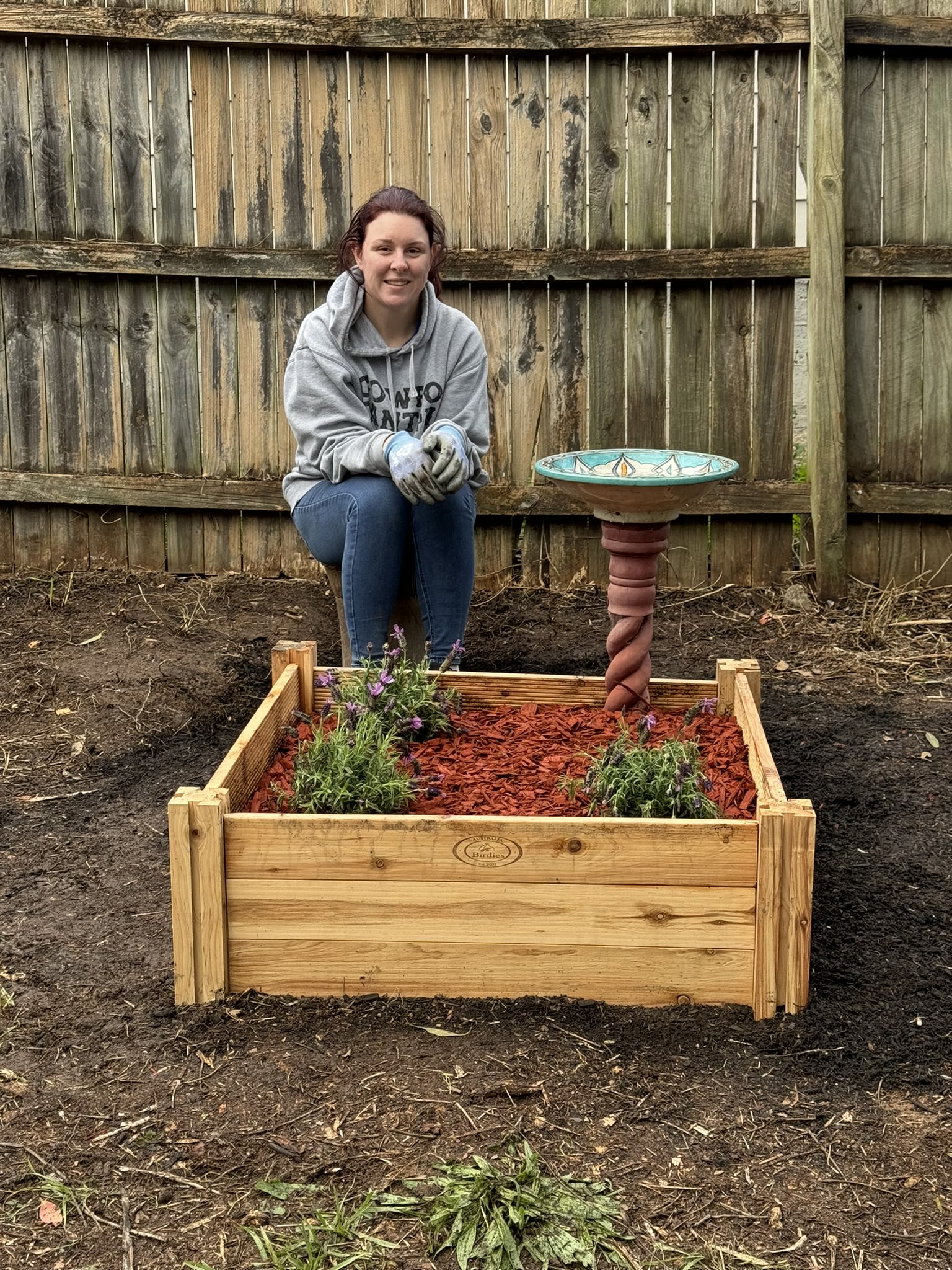
I’ve grown passionate about our native plant species and the wonderful diversity of wildlife they attract. Researching, buying and planting natives from our local nurseries in our backyard, right where the Green Cestrum used to be.
I hope to one day own a native beehive to support pollination and help my garden flourish.
Author: Kaitlin Dykstra
Special thanks to: Michael McNaughton, Casey Reay & Zeke Hodson

 Built with Shorthand